
The most important tech trend this month is the move from chat-based AI to agent-based AI. Companies are no longer just asking models to write text; they are asking them to perform tasks across systems, tools, and databases. That shift changes AI from a productivity helper into a real software layer.
What is changing in practice
Google’s Gemini 3.7 Flash was explicitly launched for coding and agent workflows, which shows how central this category has become. At the same time, broader AI agent products are being pushed into support, coding, search, and workflow automation, making them relevant to both developers and enterprise operators. The main appeal is speed: one model can now trigger many actions that used to require a team.
Why this matters for companies
For the tech sector, agents are attractive because they promise more output per employee and fewer repetitive tasks. But that also means companies must think carefully about permissions, escalation paths, and monitoring because an agent that can act is also an agent that can break something. The winners will be companies that turn agents into governed infrastructure, not just experimental chatbots.
The strategic insight
The real shift is architectural. AI is moving from “answer generation” to “execution orchestration,” which means the model is increasingly sitting in the middle of workflows rather than on the side of them. That is why the most valuable products this month are not generic assistants, but systems that can reliably connect models to real business actions.
What to watch next
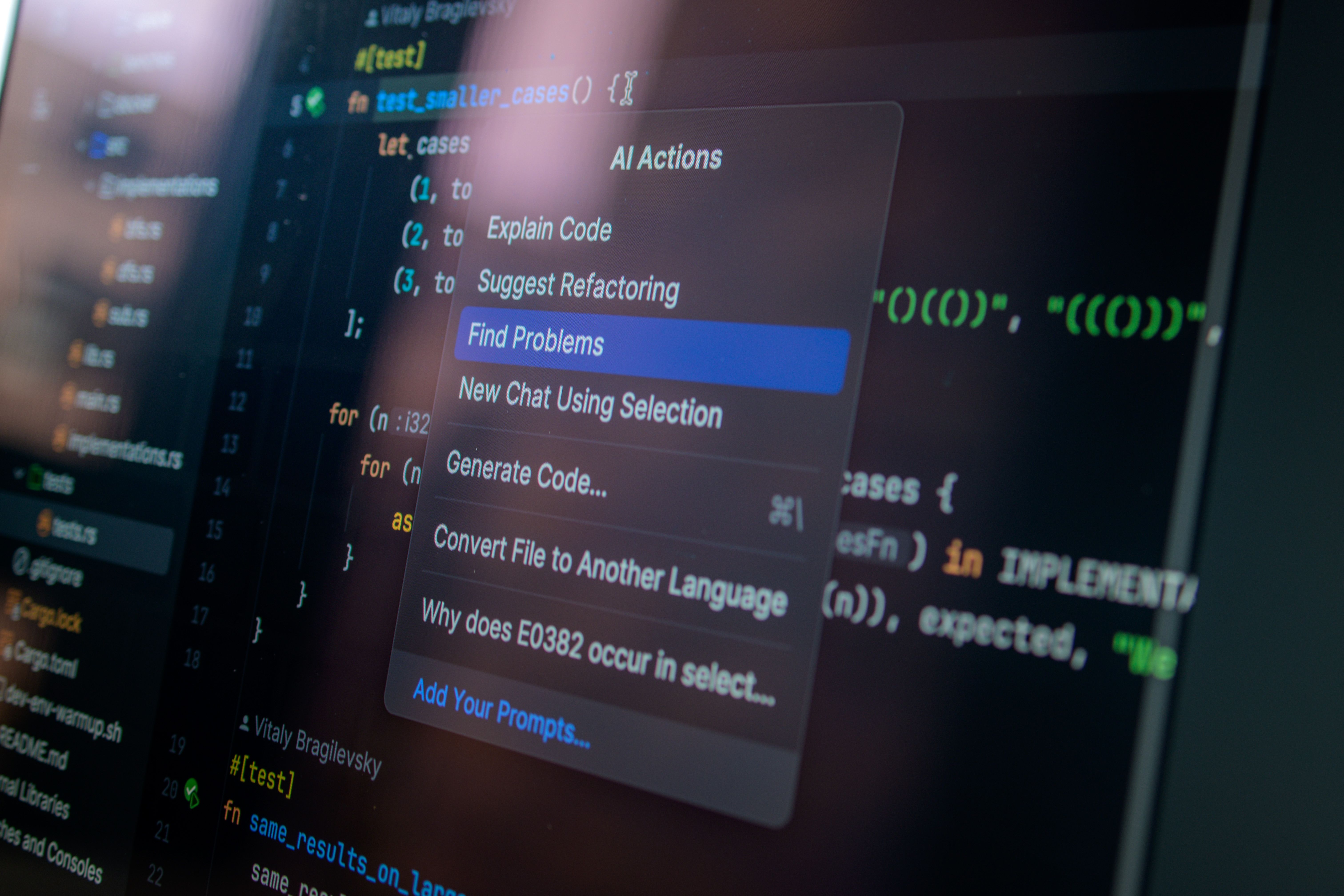
Expect more agent products embedded in SaaS, IDEs, analytics tools, and operations software. Also expect stronger enterprise demand for logging, policy controls, and human approval steps before agents can complete sensitive actions. August is shaping up to be the month when agents stopped being a concept and became part of the stack.