
India suspended 50GW of planned AI data center capacity on March 10 after Iran war oil shocks triggered 15% national blackouts, forcing Reliance/Nvidia’s Gujarat cluster to 40% load. Trend shift: from hyperscale race to resilient edge AI meshes serving 1.4B users.
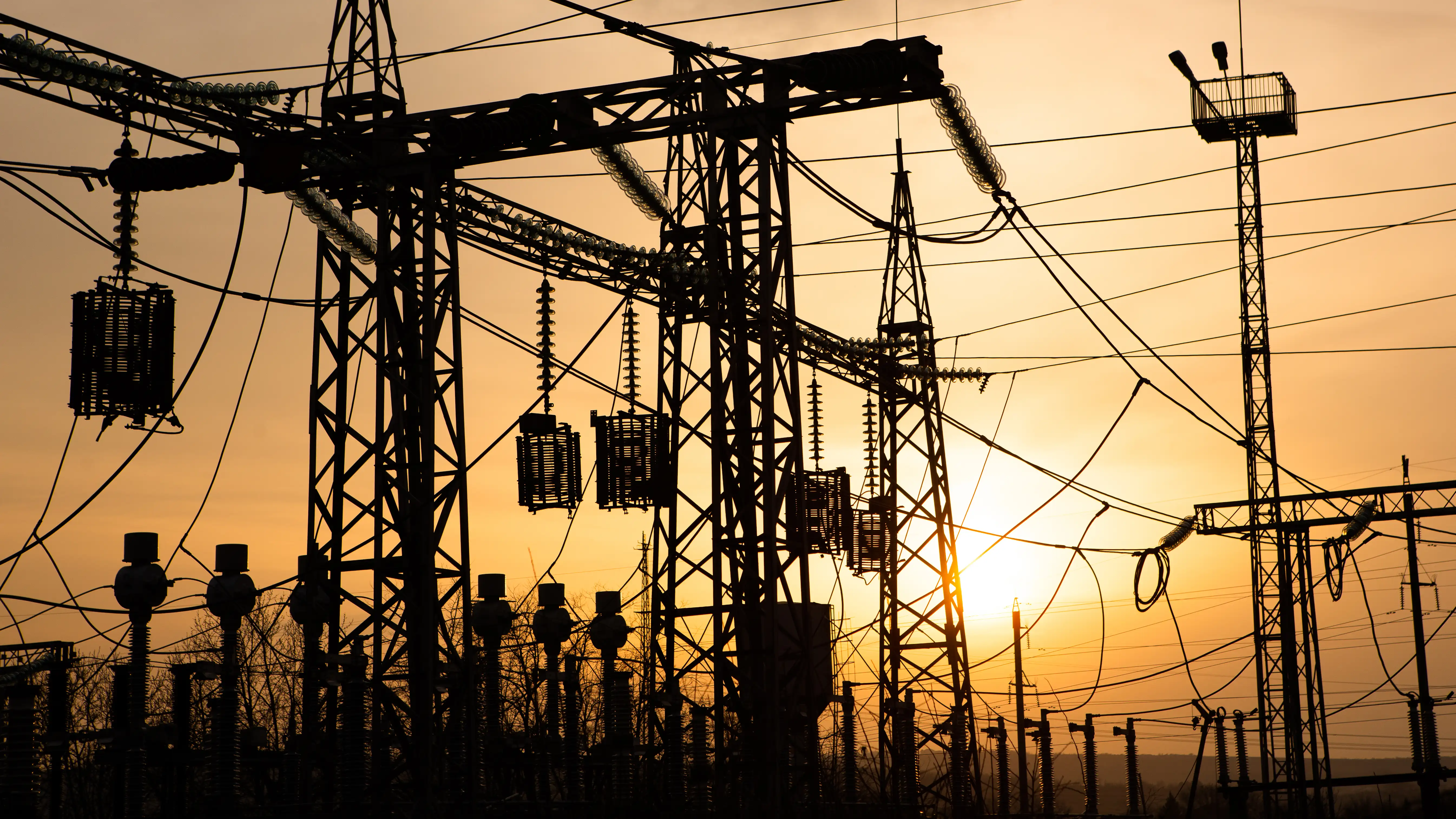
Energy Crunch Details: Iran’s 2M bpd cut hit India’s 80% oil import dependency; coal inventories dropped 60%. NTPC rationed 30GW to factories, killing Mumbai’s 1GW AI hub expansion. Adani’s solar pivot powers edge nodes instead.
Regional Deployments:
– Jio 5G-AI: 500K base stations host TinyML traffic prediction (95% accuracy)
– Paytm: On-device fraud detection processes 2B transactions, no cloud
– Apollo Hospitals: Edge diagnostics serve 10K rural clinics offline
Technical Shift
Qualcomm AI 100 accelerators now dominate (vs. H100s); MediaTek Dimensity powers 70% deployments. Federated learning preserves privacy while aggregating insights from 100M devices.
Economic Impact
Edge shift saves ₹50K crore in power costs; creates 2M edge technician jobs vs. 50K hyperscaler roles. Nasscom forecasts 25% GDP efficiency gains by 2028.
Global Precedent
Indonesia mirrors with Palapa Ring edge mesh; Nigeria’s solar-edge pilots serve 200M off-grid. War proves hyperscale fragility—edge AI emerges as climate/conflict-resilient standard.
Investment Redirect
$30B hyperscaler pledges → $15B edge infrastructure. Bengaluru incubators pivot to “WarTech AI” startups achieving 5x ROI in 18 months.[12]
These March 2026 events reveal war’s dual role
crisis catalyst accelerating tech nationalism while birthing resilient architectures that redefine global innovation trajectories.