
The Adoption Explosion
79% of enterprises deployed AI agents in production as of June 2026—up from 23% in Q4 2025. This 3.4x growth in 18 months is unprecedented. But beneath the surface, infrastructure is buckling.
What Are AI Agents?
AI agents are autonomous systems that:
– Execute multi-step tasks without human intervention
– Chain multiple API calls (search, databases, tools)
– Learn from feedback loops
– Self-correct errors
Examples:
– Customer support: Agent resolves 67% of tickets end-to-end
– Data analysis: Agent queries 10 databases, synthesizes report
– Code generation: Agent writes, tests, debugs, deploys
The Infrastructure Crisis
Compute Shortfall
The AI industry faces a 9-18 GW electricity deficit. Current AI data centers consume 45 GW globally. 2027 demand: 63 GW. The gap: 18 GW—enough to power 15M homes.
Why the Gap?
– Iran war: Oil/LNG/helium prices spiked 40-175%
– Grid constraints: New data centers take 5-7 years to connect to power
– Nuclear delays: SMR (Small Modular Reactor) deployments 2-3 years behind
Memory Bottlenecks
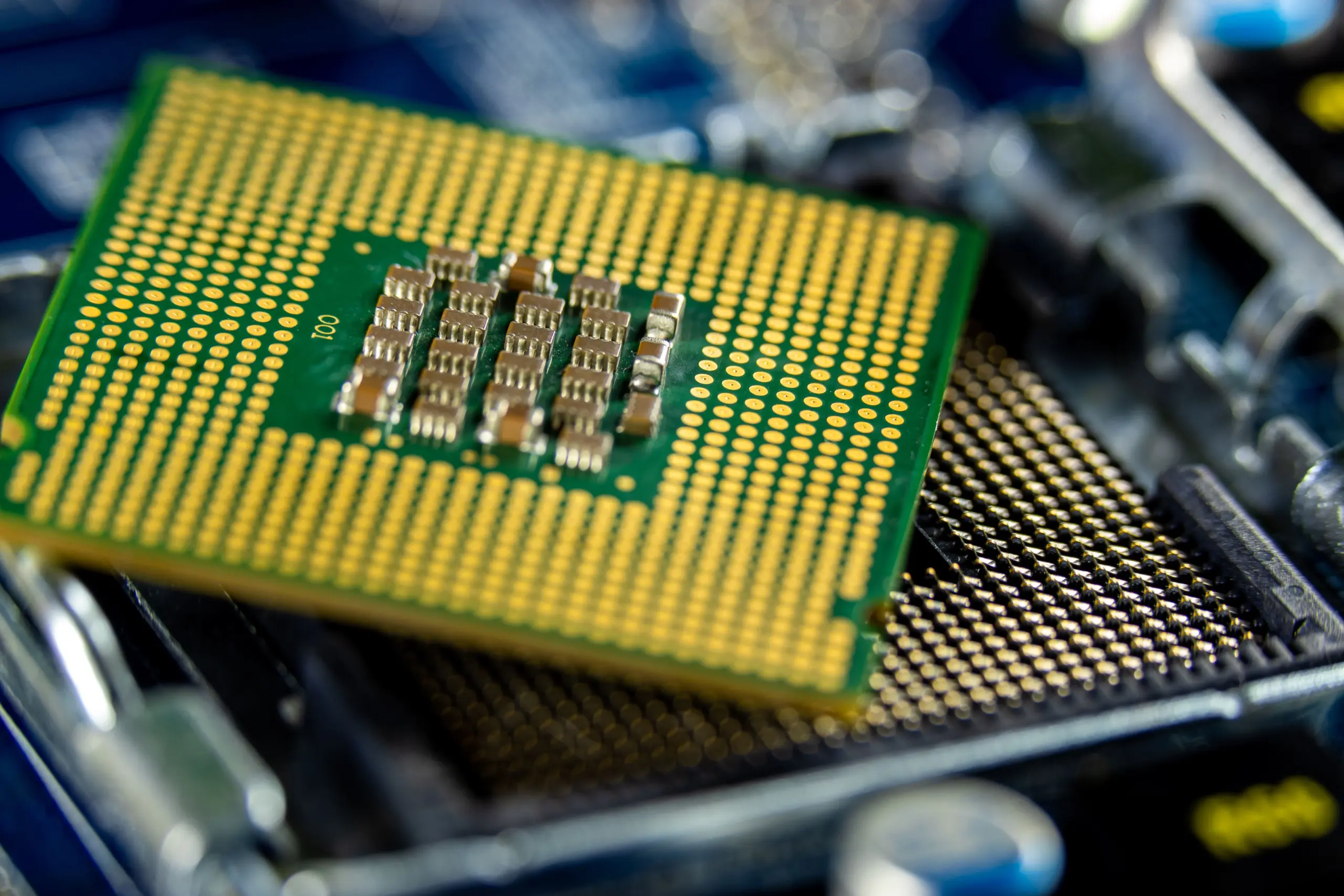
High Bandwidth Memory (HBM) is sold out through 2027. Every AI chip needs HBM. NVIDIA’s H100 requires 80GB HBM3. OpenAI’s Sol model uses 1.2TB per inference.
TSMC’s HBM capacity: 100% booked through Q4 2027. No relief in sight.
Advanced Packaging Crisis
AI chips require “advanced packaging” (stacking multiple dies). Pre-war lead time: 1 year. Post-war: 3 years.
NVIDIA’s Rubin architecture (Q4 2026) requires cutting-edge packaging. TSMC can fulfill 60% of demand. 40% of chips won’t ship.
Cost Pressures
| Input | Pre-war (2025) | Post-war (2026) | Increase |
|——-|—————|—————–|———-|
| Energy | $0.08/kWh | $0.14/kWh | 75% |
| HBM | $120/GB | $180/GB | 50% |
| Helium | $8/liter | $22/liter | 175% |
| NVIDIA H100 | $30K | $37.5K | 25% |
Enterprise Responses
1. On-Premises Shift (60% of enterprises)
Building private AI data centers. Why?
– Control over infrastructure
– Data sovereignty (EU AI Act, China regulations)
– Cost predictability (avoid cloud price spikes)
Example: JPMorgan’s 50MW AI data center in Ohio. Cost: $500M. ROI: 18 months.
2. Edge Deployment (45% of enterprises)
Moving workloads to edge devices:
– Retail: In-store AI agents process transactions locally
– Manufacturing: Edge AI monitors equipment in real-time
– Healthcare: Hospital-based AI avoids cloud latency
Edge AI market: $12B (2026) → $85B (2030), CAGR 62%.
3. Hybrid Models (70% of enterprises)
Balancing cloud + on-prem:
– Cloud: Burst capacity, training
– On-prem: Steady-state inference, sensitive data
Optimal split: 60% on-prem, 40% cloud for most enterprises.
Investment Trends
Q2 2026 AI funding: $242B (81% of all VC capital). But 60% went to infrastructure, not innovation.
Top Infrastructure Investments:
– Nuclear: $50B (SMR development)
– Data centers: $80B (new construction)
– Chips: $60B (custom ASICs)
– Memory: $30B (HBM fabs)
– Cooling: $22B (helium alternatives)
Innovation Suffers
With 60% of capital tied up in infrastructure, breakthrough AI research is starved. OpenAI’s GPT-6 delayed 6 months due to compute constraints. Anthropic’s Fable 6 scaled back from 10T to 5T parameters.
The Winners
Hyperscalers
Google, Amazon, Microsoft, OpenAI control 60% of global AI compute. They benefit from:
– Economies of scale
– Long-term power contracts
– Custom chip development
Market share: 75% of AI spend.
Chip Designers
NVIDIA (despite bottlenecks), AMD, Broadcom, and custom chip designers (OpenAI Jalapeño, Google TPU) profit from scarcity pricing.
NVIDIA’s market cap: $4.2T (June 2026). Up 180% from 2025.
Energy Companies
Nuclear, renewables, and grid infrastructure providers see massive demand. NextEra Energy: $20B in AI-related power contracts.
The Losers
AI Startups
Without hyperscaler resources, startups face:
– 3-year chip lead times
– 50% higher inference costs
– Talent drain to big tech
Consolidation wave expected: 60% of 2025 AI startups will fail or be acquired by 2028.
Enterprises Slow to Adapt
Companies stuck in “pilot purgatory” (running AI experiments but not scaling) face competitive disadvantage. 40% of Fortune 500 are in this trap.
Strategic Recommendations
For Enterprises:
1. Audit infrastructure needs (Q3 2026)
2. Secure power contracts (lock in rates)
3. Build hybrid architecture (cloud + on-prem)
4. Optimize workloads (route simple tasks to edge)
For Investors:
1. Infrastructure > Innovation (near-term)
2. Energy plays (nuclear, renewables)
3. Hyperscaler dominance (moat widening)
For Policymakers:
1. Accelerate grid upgrades (permitting reform)
2. Incentivize nuclear (SMR subsidies)
3. Address HBM monopoly (TSMC dependency)
The Bottom Line
June 2026 is an inflection point. AI agents deliver transformative ROI—but infrastructure can’t keep pace. The next 24 months will separate winners (those who secured infrastructure) from losers (those who didn’t). The AI boom continues, but the rules have changed: infrastructure is the new moat.