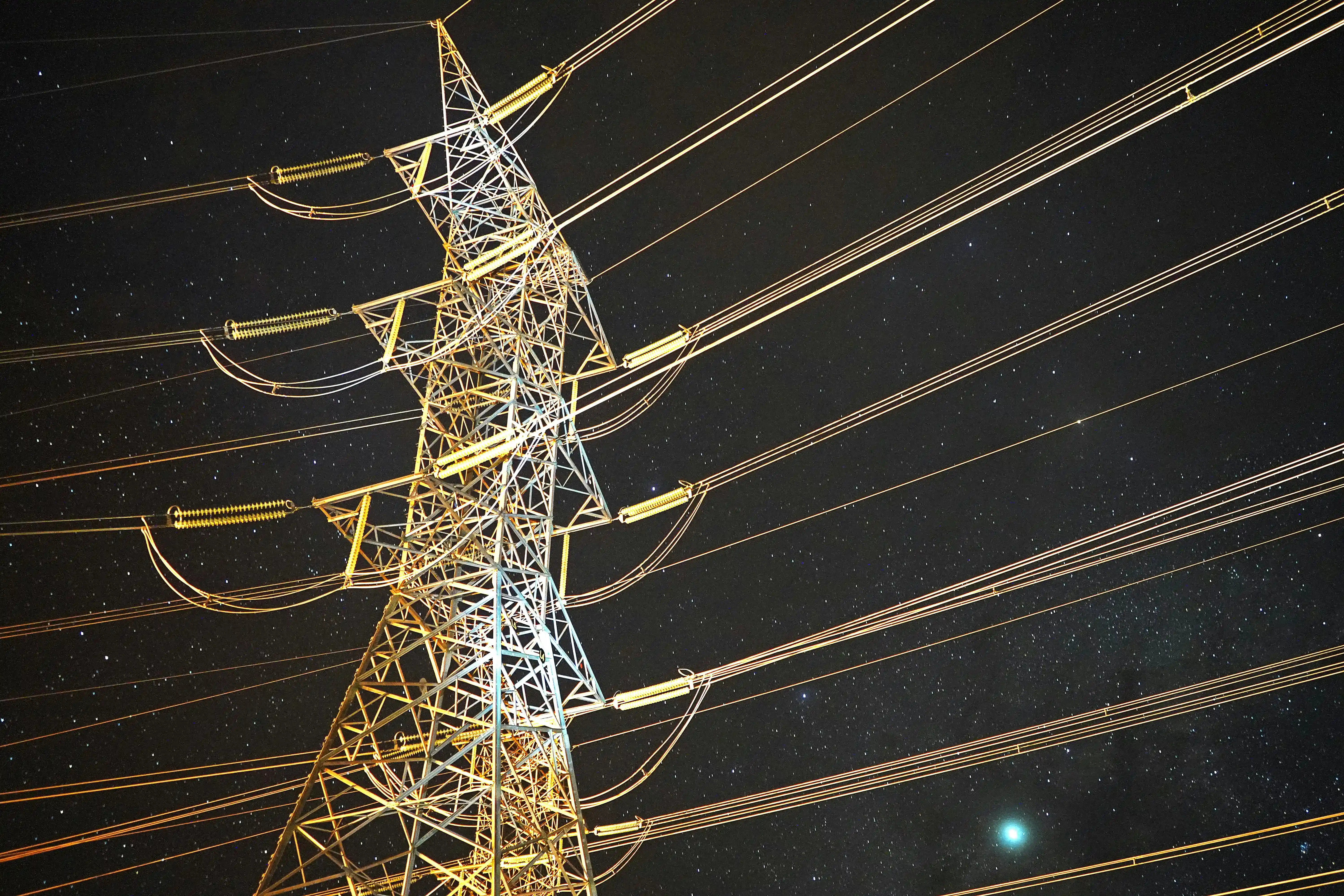

the AI industry’s most critical bottleneck: a 9-18 GW electricity shortfall threatening data center expansion. The YouTube analysis “AI in April 2026” highlighted this crisis as the single biggest constraint on AI scaling, with Google’s TurboQuant cutting inference memory 6x to mitigate power demands.
The Numbers:
| Power Demand | Current (2026) | Required (2027) | Shortfall |
|---|---|---|---|
| Global AI | 45 GW | 63 GW | 18 GW |
| US AI | 15 GW | 24 GW | 9 GW |
| Hyperscaler | 30 GW | 42 GW | 12 GW |
| Enterprise | 15 GW | 21 GW | 6 GW |
War-Driven Energy Shock: The Iran-Israel conflict spiked oil to $145/barrel, LNG to $18/MMBtu, and helium to $22/liter. Data center operations now cost 40% more than pre-war. Fortune’s April 2 analysis warned “scaling laws that drove AI boom are fundamentally peacetime constructs.”
Google’s TurboQuant Solution: Google’s April 2026 release of TurboQuant model compression cuts AI inference memory by 6x, reducing power consumption proportionally. This allows 10B-parameter models to run on 500W GPUs instead of 3kW. The breakthrough comes as high-bandwidth memory sells out through 2026 and advanced packaging lead times stretch to 3 years.
Physical AI & Humanoid Robots: April 2026 saw robotics breakthroughs at Hong Kong InnoEX 2026—humanoid robots boxing, performing, and entering real-world applications. These “Physical AI” systems consume 10x more power than traditional ML, requiring 3-5kW per robot. SAP and Asylon deployed physical AI for industrial automation, but energy costs made 40% ROI timelines unattainable.
AI Writes Research Papers: April breakthrough: AI systems now write peer-reviewable research papers. This democratizes scientific discovery but dramatically increases compute demand—single paper generation requires 500 GPU-hours. The phenomenon accelerates research velocity while compounding power crisis.
Hardware Constraints:
| Component | Pre-war Lead Time | Post-war | Shortage |
|---|---|---|---|
| NVIDIA H100 | 9 months | 12 months | 40% |
| High-bandwidth Memory | Sold out Q3 2026 | Sold out 2027 | 100% |
| Advanced Packaging | 1-2 years | 3 years | 60% |
| Helium cooling | 2 weeks | 3 months | 80% |
Enterprise Responses:
- Amazon: CEO Andy Jassy committed $200B to AI infrastructure (chips, data centers, robotics), but energy costs stretch timeline 18 months
- IBM: Highlights structural shift toward open-source AI platforms (Apache Spark) to reduce compute costs
- Microsoft: Launched MAI initiative with 3 new foundational models competing with OpenAI, but power constraints limit deployment
- On-premises push: 60% of enterprises building private AI data centers to manage sensitive data and meet regulatory requirements
Geopolitical Power Dynamics:
- Taiwan: TSMC controls “critical lifeline” of global AI hardware supply chain
- US-China: 40% divergence in tech regulations amid war tensions
- Asia-Pacific: Forced to “revisit AI playbook” as energy costs rise 30%
Future Outlook: McKinsey predicts power crisis will force AI industry consolidation by 2027. Only companies with secure energy access (nuclear partnerships, renewable microgrids) will sustain growth. Google’s TurboQuant and similar innovations delay crisis 12-18 months, but fundamental constraint remains.
Investment Shift: Q1 2026 saw $297B global startup funding, $242B (81%) in AI—but 60% deployed to infrastructure, not innovation. SpaceX’s $250B xAI acquisition created vertically integrated entity controlling chips, data centers, and agents. Capital concentrates on solving power crisis, not breakthrough models.
The Bottom Line: April 2026’s AI power crisis reveals the industry’s fundamental vulnerability. Helium shortages, energy shocks, and hardware bottlenecks all trace to Middle East conflict. The “peacetime scaling laws” of AI trimcession now face reality: 9-18 GW shortfall means 30% of planned AI projects delayed or cancelled. Organizations must plan for 20-30% infrastructure cost increases, 6-12 month delays, and permanent supply chain fragility.