
The policy announcement
China issued new government guidelines on October 9 covering “new productive forces,” including artificial intelligence, civilian drones, air taxis, small aircraft, and related low-altitude services . The guidelines combine industrial promotion with monitoring, risk-warning, and emergency-response requirements.
The policy is important because it shows how China is treating frontier technology as part of a coordinated national development strategy rather than leaving it entirely to private companies.
What the guidelines cover
The guidelines address several technology sectors:
– Artificial intelligence.
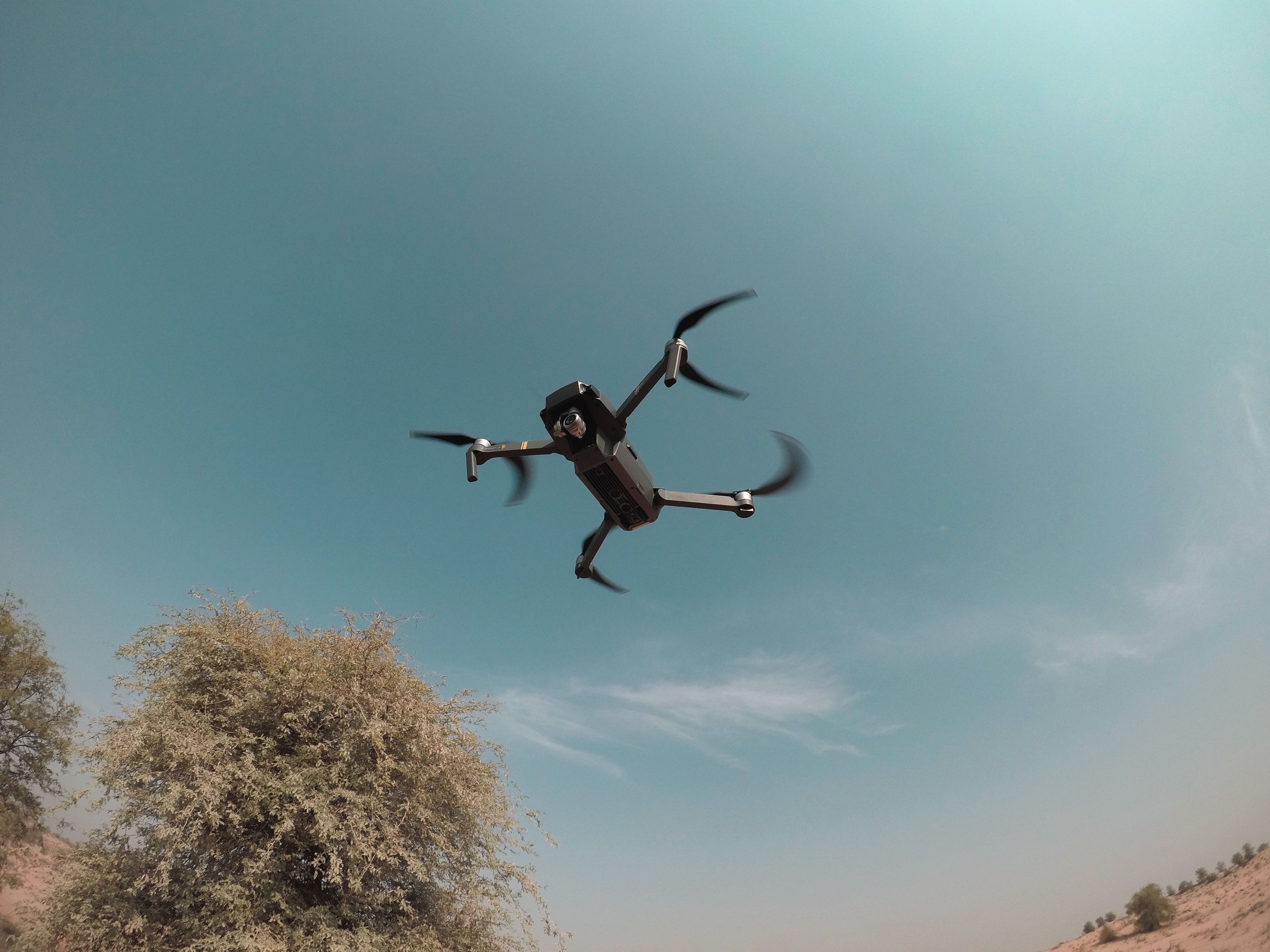
– Civilian drones.
– Air taxis.
– Small aircraft.
– Low-altitude airspace services.
– Other frontier technologies .
China said it would build technology monitoring, risk-warning, and emergency-response systems to ensure AI remains safe, reliable, and controllable .
Why this matters for industry
The guidelines signal that companies operating in China will need to align product development with national priorities. That could affect:
– AI model developers.
– Drone manufacturers.
– Autonomous-vehicle companies.
– Cloud providers.
– Industrial automation firms.
– Low-altitude aviation startups.
The policy also creates a clearer framework for companies seeking government support, procurement opportunities, or regulatory approval.
The accountability element
China said authorities would hold responsible parties accountable for major losses caused by “blind” investment in frontier technologies . That language suggests Beijing is trying to prevent speculative overinvestment while still encouraging strategic development.
This matters because China’s AI sector has attracted enormous capital, and some investors have become concerned about whether infrastructure and model spending can generate adequate returns .
What to watch next
The guidelines are likely to influence how Chinese companies develop AI products, deploy drones, and build low-altitude aviation services. They may also affect foreign companies seeking to enter China’s technology market. The broader trend is clear: China is integrating AI into industrial policy, infrastructure planning, and national technology strategy.