
What China proposed
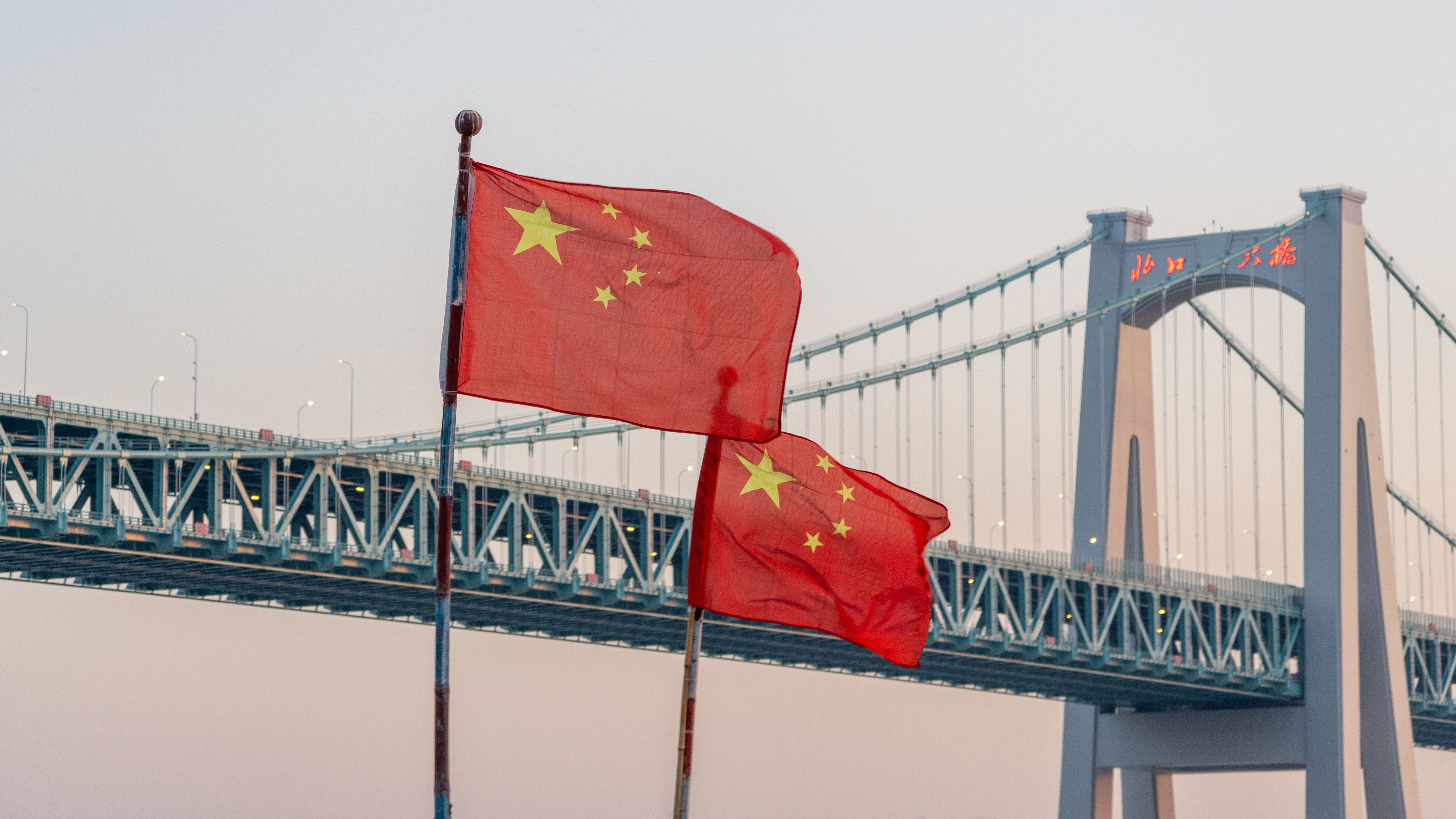
China’s Ministry of Commerce released draft rules on October 16 that would add 23 AI-related technologies to the country’s list of technologies prohibited or restricted from export . The proposal covers advanced large language models, autonomous agents, AI chip-design technology, and the interconnect and scheduling systems used in large computing clusters .
The draft rules also introduced an immediate temporary registration requirement for covered technology transfers, including overseas licensing and transactions that place Chinese technology under foreign control .
Why this matters
The proposal is a major shift in how China treats AI as a strategic asset. Rather than allowing unrestricted overseas access to its technology, Beijing wants to separate two business models:
– Foreign customers using Chinese AI services through cloud platforms.
– Foreign companies obtaining the models, data, or expertise needed to operate or reproduce the systems independently .
That distinction would allow China to sell access to AI services while restricting the transfer of underlying technology.
What is covered
The proposed restrictions include technologies that are central to modern AI development:
– Large language models.
– Model weights and source code.
– AI agents with limited human direction.
– AI chip-design technology.
– Computing-cluster interconnects.
– Scheduling systems for large accelerator clusters .
The proposal also includes thresholds based on training compute, model size, and performance rankings . These thresholds suggest that China is trying to distinguish between ordinary commercial AI and strategically important frontier systems.
The strategic logic
China’s approach mirrors the logic of semiconductor export controls: keep the most valuable technology at home, sell access where possible, and restrict the ability of foreign companies to replicate critical capabilities.
This could affect:
– Chinese AI companies expanding overseas.
– Foreign firms licensing Chinese models.
– Cloud providers offering Chinese AI services.
– Companies building data centers outside China.
– International research collaborations.
The policy could also encourage other countries to develop their own AI export-control frameworks, further fragmenting the global AI market.
What to watch next
Public comments on the proposal are open until November 15, and China is expected to issue implementation guidance afterward . The key question is how strictly the rules will apply to cloud access, open-source releases, and international partnerships.
For technology companies, the proposal signals that AI models and agents are becoming regulated strategic technologies, not just software products.