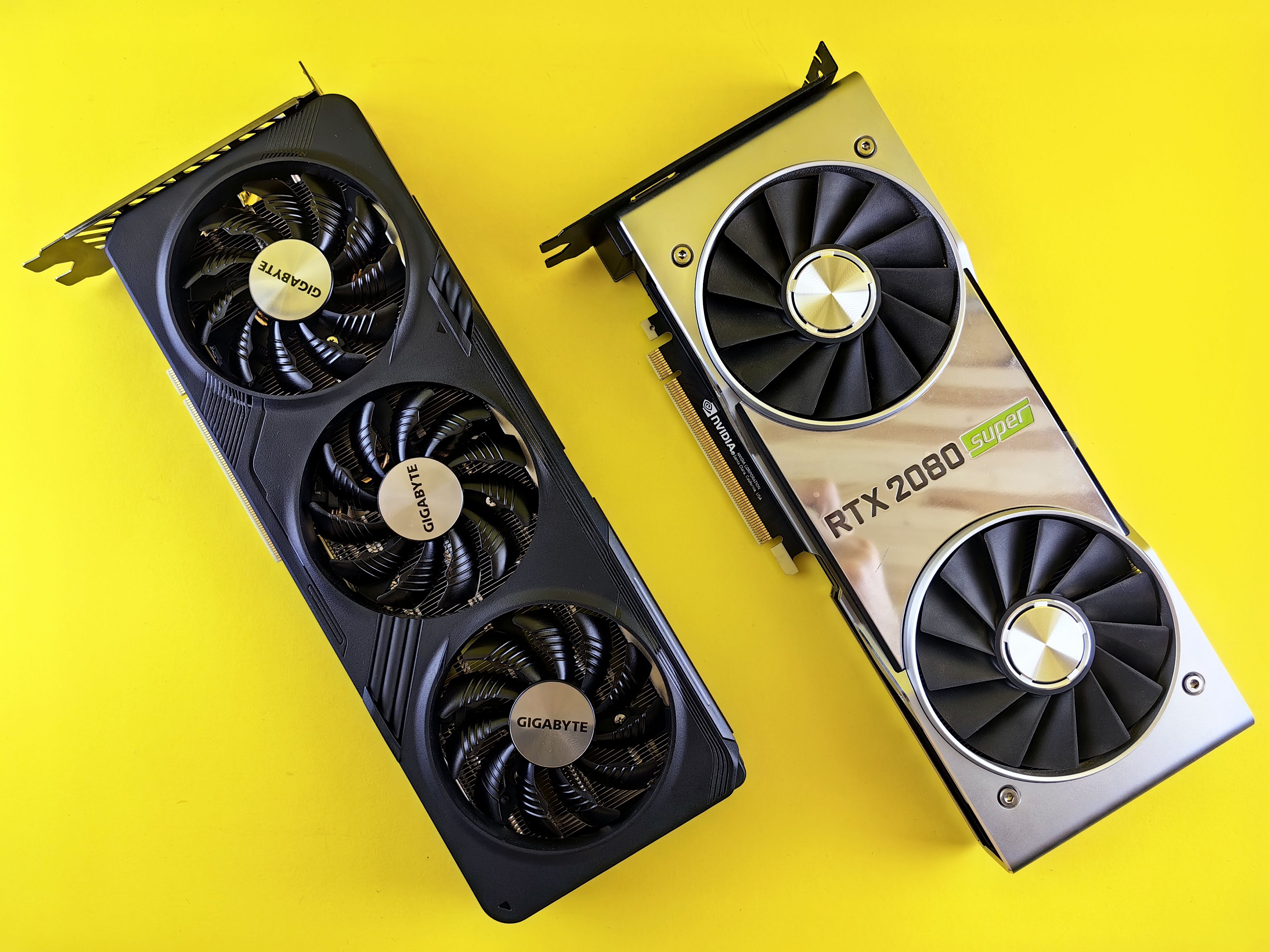

Neocloud and GPU-cloud providers are reshaping AI infrastructure by offering specialized computer, networking, and storage for training and inference workloads. Here is what leaders need to know.
Executive summary
As AI adoption moves from pilots to production, a new infrastructure category has gained momentum: neoclouds, also called GPU clouds or specialized AI compute providers. These providers are not trying to replace hyperscalers with every enterprise workload. Their role is narrower and more focused: deliver AI-optimized compute capacity, high-speed networking, and storage architectures designed for demanding training and inference workloads.
A 2026 vendor comparison by We The Flywheel separates AI compute providers into five lanes: hyperscaler-managed cloud, tier-one neoclouds, full-stack compute-plus-inference providers, spot and marketplace providers, and specialty providers. AI Business also reports active neocloud coverage, including Nebius using infrastructure partners to expand compute capacity.
Why neoclouds emerged
The reason is simple: AI workloads are different from traditional cloud workloads. A typical business application may need elastic servers, databases, storage, and security controls. A large AI training job may need hundreds or thousands of GPUs connected through high-performance networking, supported by fast parallel file systems and predictable reservation models.
This is where neoclouds create value. We The Flywheel describes tier-one neoclouds such as CoreWeave, Crusoe, Lambda Labs, and Nebius as purpose-built GPU fleets with non-blocking InfiniBand fabric, parallel filesystems, and commercial models focused on reserved capacity rather than casual on-demand usage.
What makes GPU cloud infrastructure different
For AI workloads, the headline hourly GPU price is only one part of the decision. The real performance depends on the full stack:
- Chip availability: H100, H200, B200, GB200, or alternative accelerators.
- Cluster topology: GPU-to-GPU communication, InfiniBand, NVLink domains, and all-reduce performance.
- Storage throughput: Parallel filesystems, NVMe pools, object storage, and data-loading speed.
- Regional footprint: Data residency, latency, and proximity to enterprise data.
- Contract model: On-demand, reserved capacity, multi-year commitments, marketplace pricing, or grant-based models.
- Compliance posture: SOC 2, ISO 27001, HIPAA, GDPR, sovereign requirements, or enterprise procurement standards.
We The Flywheel warns that buyers often overweight hourly GPU price and underweight networking topology and storage tier, even though those can matter more for training runs above 256 GPUs.
The real constraint: power
The neocloud story is not only about GPUs. It is also about electricity, data-center real estate, and grid access. We The Flywheel states that a modern training campus can draw 50–200 MW, while a single GB200 NVL72 rack draws around 120 kW, making power-purchase agreements, grid interconnects, and substation capacity strategic constraints.
This matters because compute availability is no longer simply a procurement issue. It is an infrastructure-delivery issue. Providers that secured power, sites, and accelerator supply earlier may have capacity to sell. Providers without those assets may have chips on order but insufficient power or interconnect readiness.
When to use hyperscalers vs. neoclouds
Hyperscalers remain the enterprise default for many workloads because they offer broad services, procurement maturity, identity integration, security tooling, global regions, and compliance ecosystems. AWS describes cloud computing as on-demand IT resources delivered over the internet with pay-as-you-go pricing, including compute, storage, databases, AI, networking, security, and migration services.
Neoclouds are best considered when AI compute dominates the economics of the workload. They are especially relevant for model training, fine-tuning, high-throughput inference, research workloads, and AI teams that need faster access to specialized GPU clusters.
The most practical approach is not “hyperscaler or neocloud.” It is a tiered infrastructure strategy: hyperscalers for enterprise systems, governance, integration, and regulated workloads; neoclouds for specialized AI compute; and marketplace/spot providers for experimentation or burst capacity.
Procurement checklist
Before signing any GPU-cloud agreement, buyers should ask:
- What exact GPU or accelerator generation is available, and when?
- What is the network fabric, and is it non-blocking at the planned cluster size?
- What storage options support training data throughput?
- What is included in the real cost: egress, storage, idle reserved capacity, support, and ramp schedule?
- What compliance certifications and regional controls are available?
- What happens if the provider cannot deliver the promised capacity?
- Can the workload move back to a hyperscaler, another neocloud, or on-premises infrastructure if needed?
Conclusion
Neoclouds are not a passing trend. They are a sign that AI infrastructure is becoming specialized. As AI grows, enterprises will need clearer workload placement strategies, stronger cost modeling, and more disciplined procurement. The organizations that win will be those that match each AI workload to the right infrastructure lane — not the cheapest headline rate, but the best combination of performance, reliability, governance, and total cost.
ITS can help organizations evaluate AI-ready infrastructure choices, design hybrid and multi-cloud strategies, and align cloud hosting decisions with business, compliance, and cost objectives.